Parsons School of Design · MS Capstone · Dubai, UAE
Designing a City of Belonging
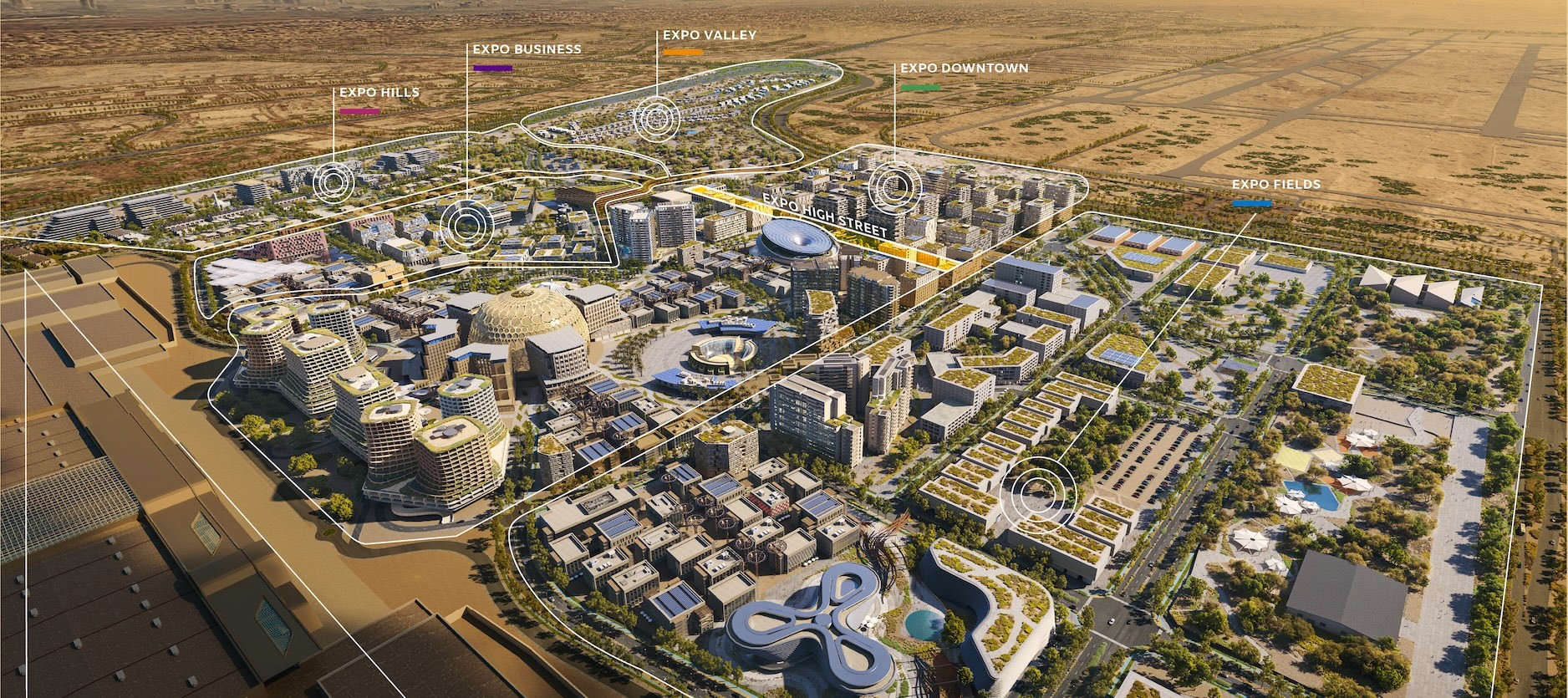
The Situation
Expo 2020 Dubai was one of the most ambitious world events ever staged. But the harder question was what comes after: how do you transform a world-class event site into a community where people actually want to live, work, and stay? That future footprint was named District 2020 — and that's what this project set out to design for.
Expo 2020's central theme was sustainability — which made the stakes of this challenge even higher. Without a long-term plan for how people would actually live, work, and connect in the space, a world-class site risks becoming abandoned infrastructure. The real design challenge wasn't just physical: it was human. How do you build a place people actually want to stay in, return to, and care about?
The challenge asked what happens when you apply the same frameworks used to build thriving organizational cultures to building a thriving city. The design question became: How might we assemble and make scalable community and belonging on a city-scale?
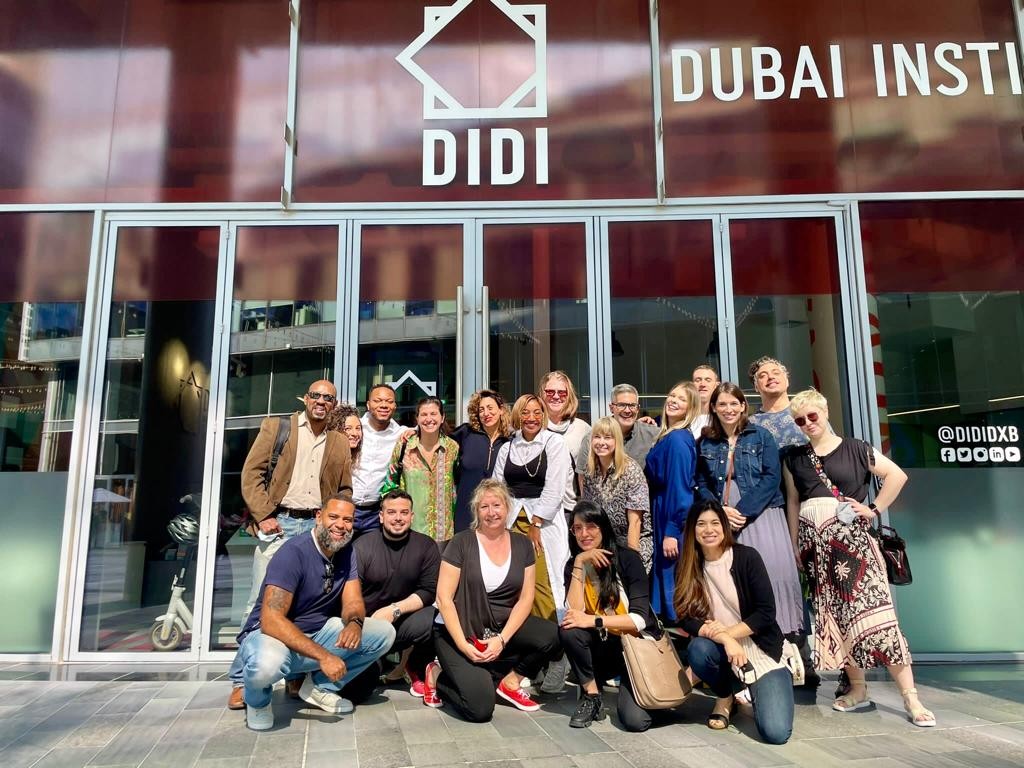
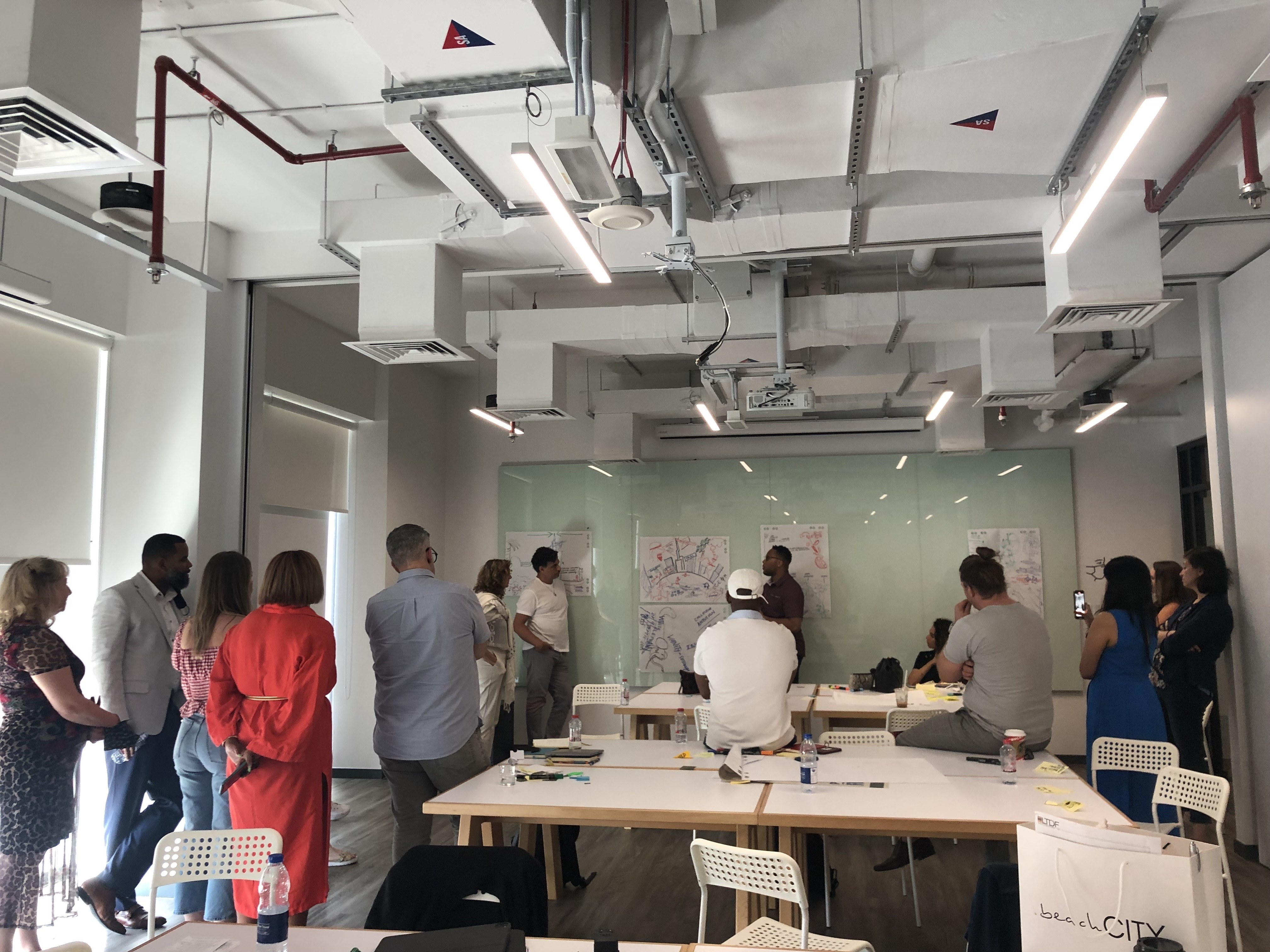
The Parsons MS cohort at Dubai Institute of Design and Innovation (DIDI)
My Role
This was my capstone project for the MS in Strategic Design for Global Leadership at Parsons School of Design — an 18-month executive program where each cohort member applied design thinking through the lens of their own discipline. I was the sole designer and researcher on this project, bringing an organizational engagement lens to a city-scale belonging challenge. The cohort partnered with the SVP Transition Unit at Expo 2020 Dubai, working directly with the team responsible for planning District 2020's future.
Research · Systems Design · Persona Development · Canvas Design · Workshop Facilitation
The Approach
1. Empathize
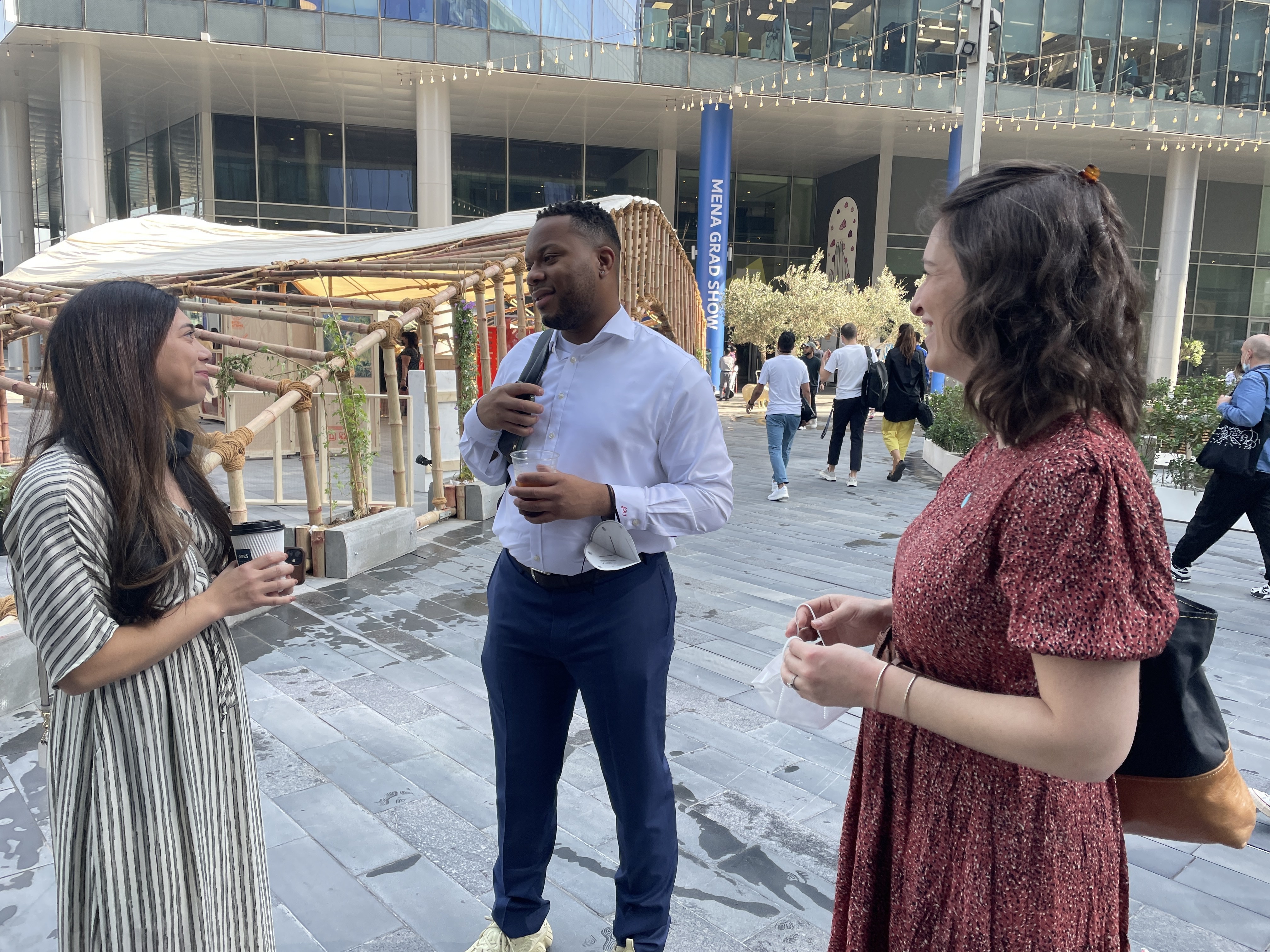
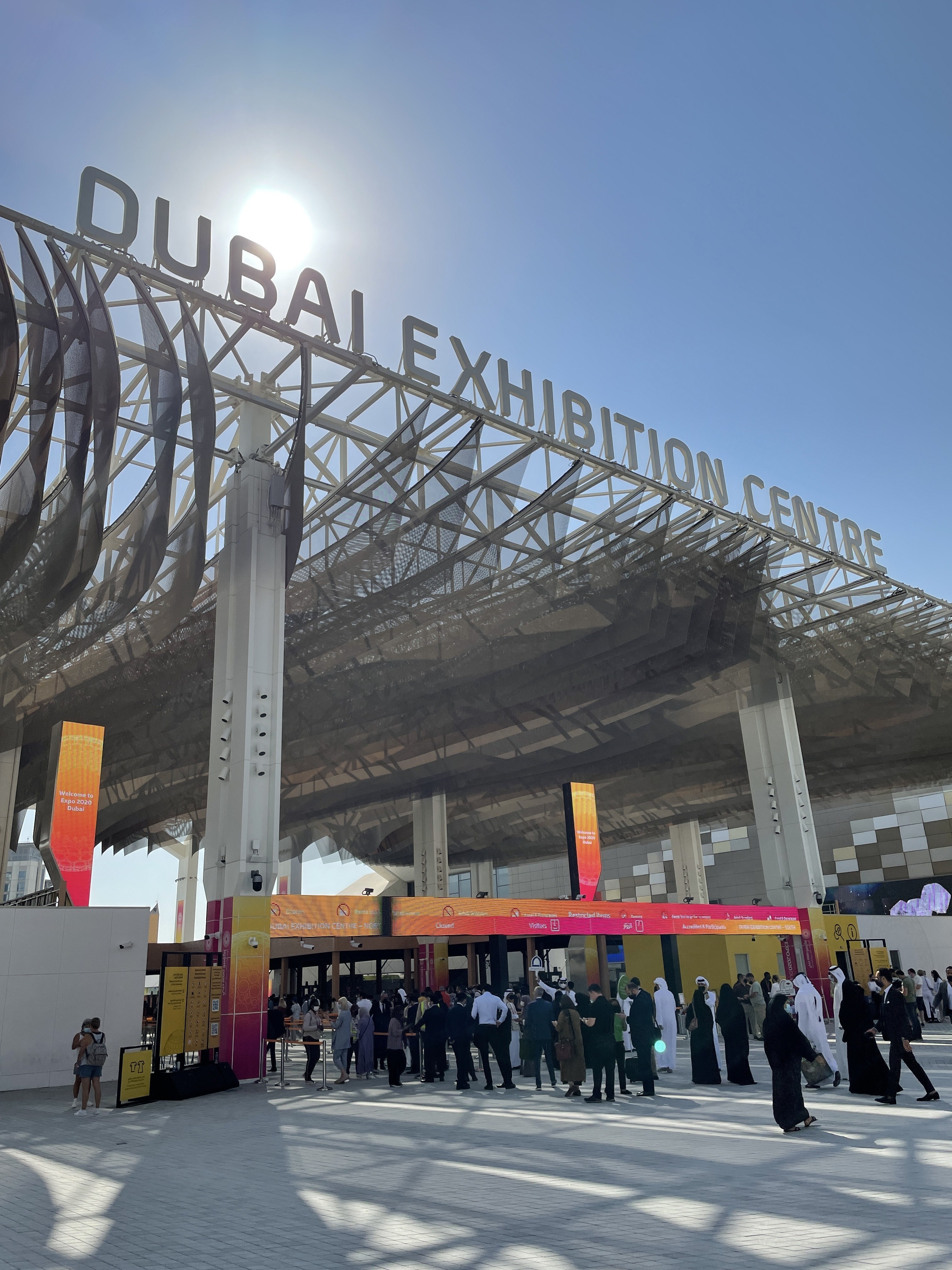
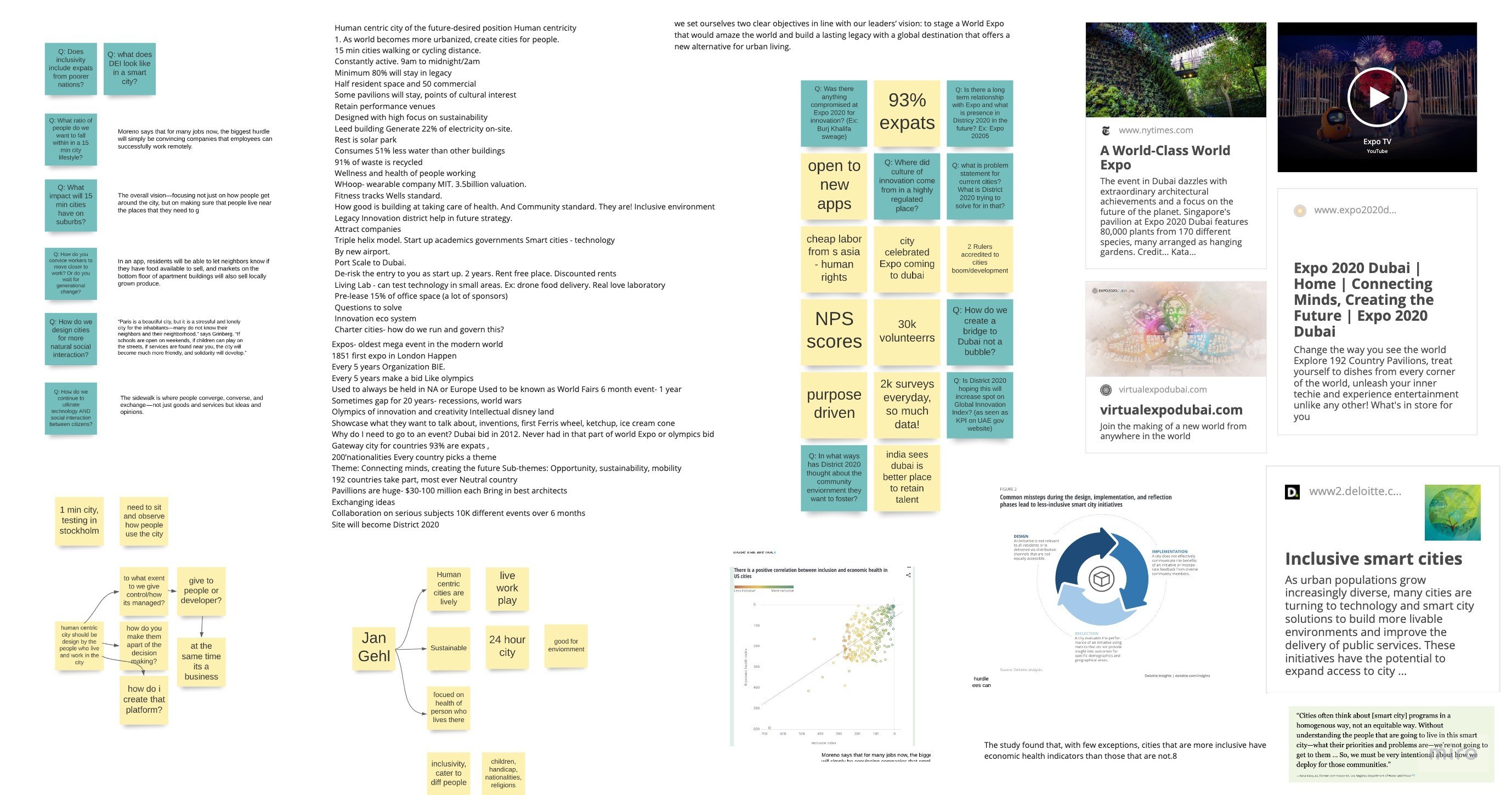
Before designing anything, we went to the source. Our cohort traveled to Dubai to study the Expo site, the city, and the people who would become District 2020's future residents, workers, and visitors. Field research and interviews were combined with a deep study of community attachment data — including findings from the Knight Foundation's Soul of the Community research — to ground the work in what people actually need and to inspire solutions rooted in what makes belonging real. I also conducted my own original survey to understand what drives belonging at a personal level — adding a primary research layer to the secondary data.
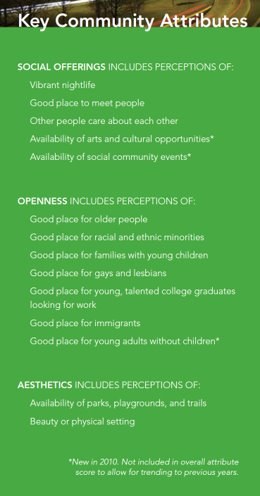
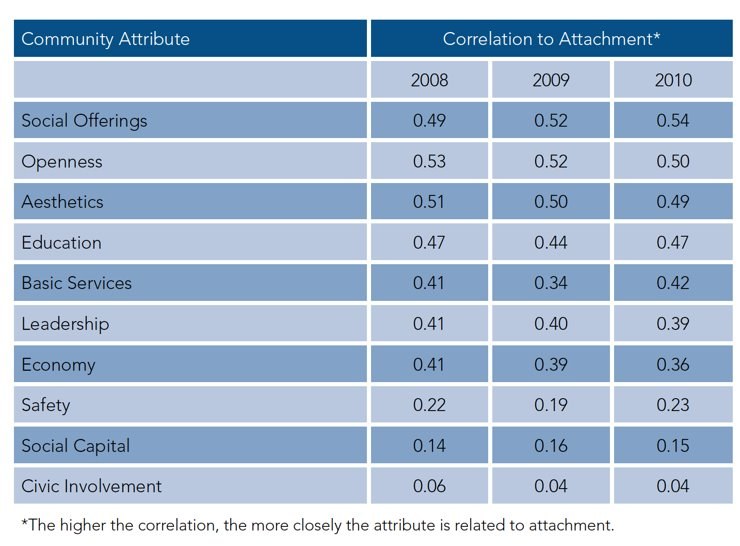
Source: Soul of the Community, Knight Foundation
2. Define
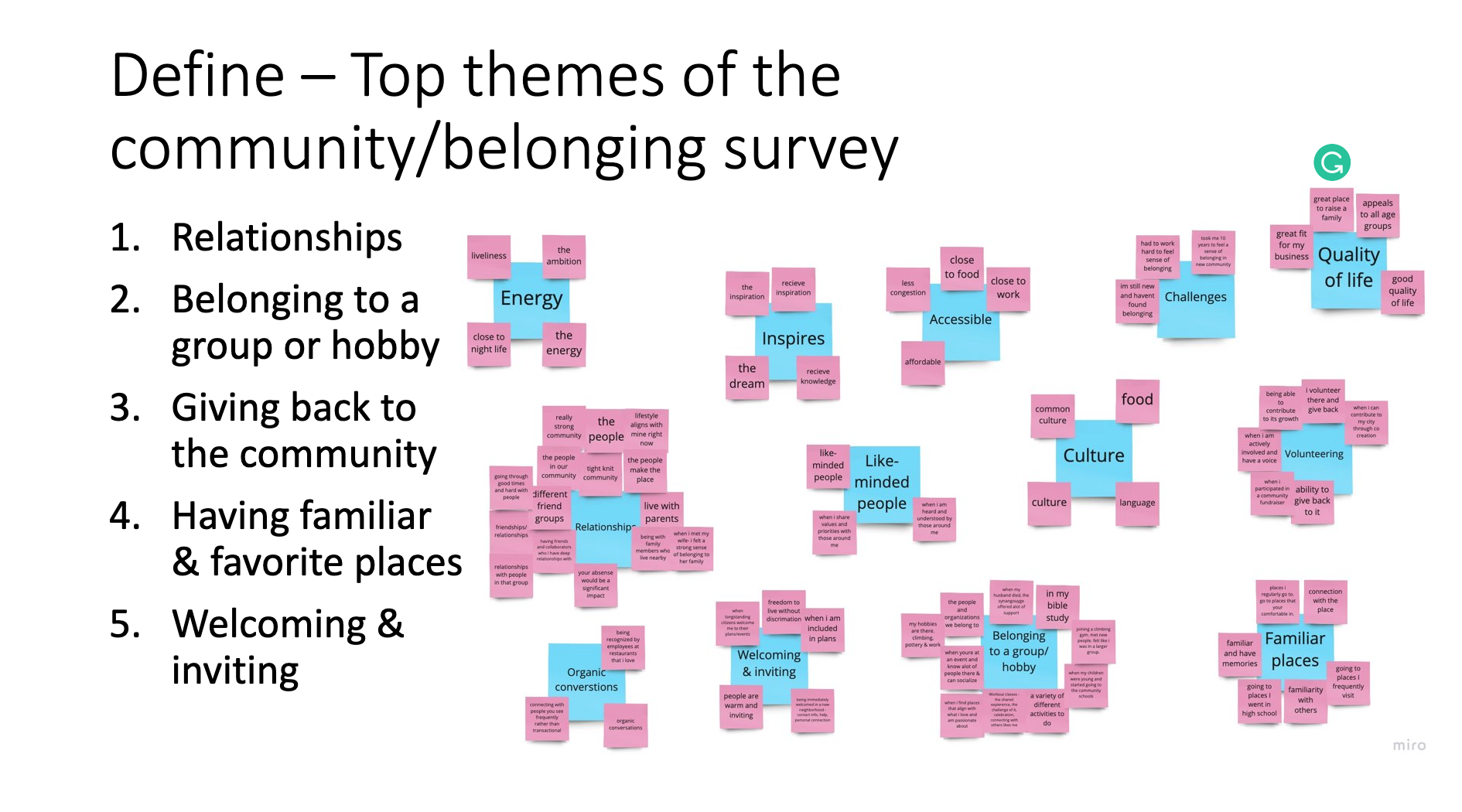
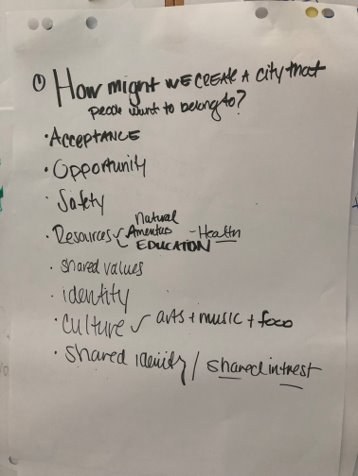
Research surfaced clear drivers of belonging. From my own survey, 83.3% of respondents said belonging was important or very important — with the top five drivers being: relationships, belonging to a group or activity, feeling welcomed, having familiar and favorite places, and giving back to the community.
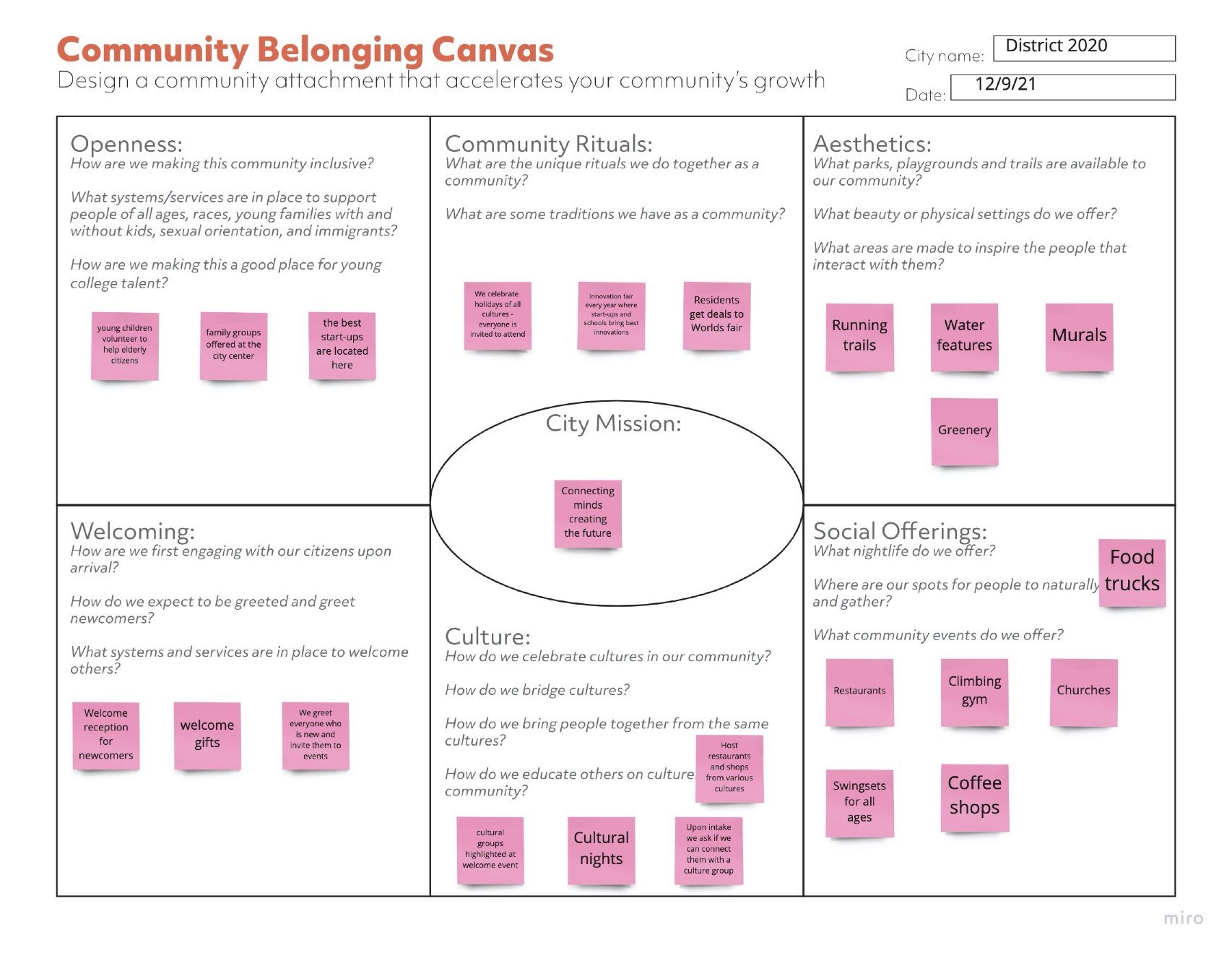
The Knight Foundation's Soul of the Community research identified three core attributes of community attachment: Social Offerings (places to meet and a sense that people care about each other), Openness (how welcoming the community is to different types of people), and Aesthetics (the physical beauty of the space, including parks and green areas).
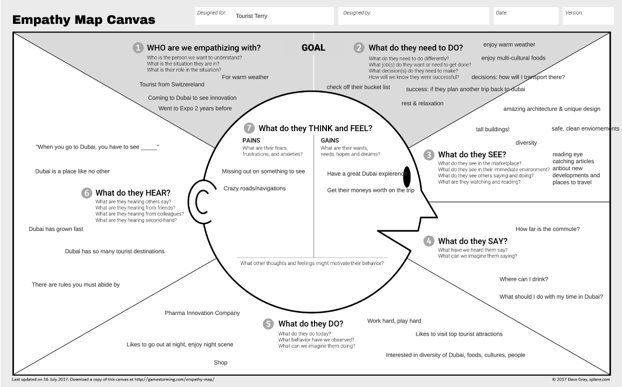
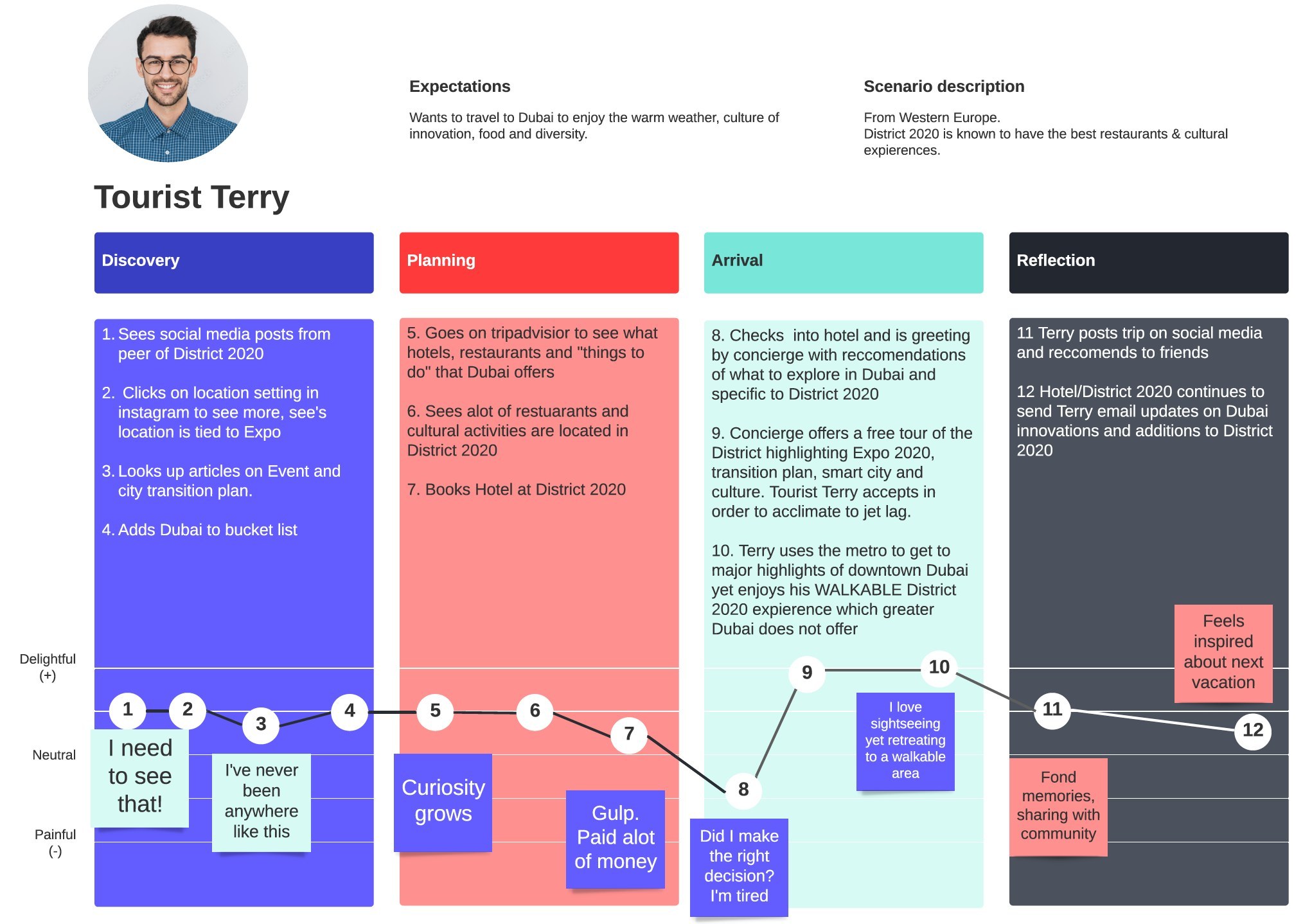
Built from both field research and direct interviews, three personas — Worker, Resident, and Visitor — were developed and mapped through District 2020, surfacing where belonging breaks down and where it could be designed in. This process captured cultural nuance that could only be discovered by being present: the textures of daily life, the unspoken expectations around community, and the ways belonging is experienced differently across cultures.
3. Ideate
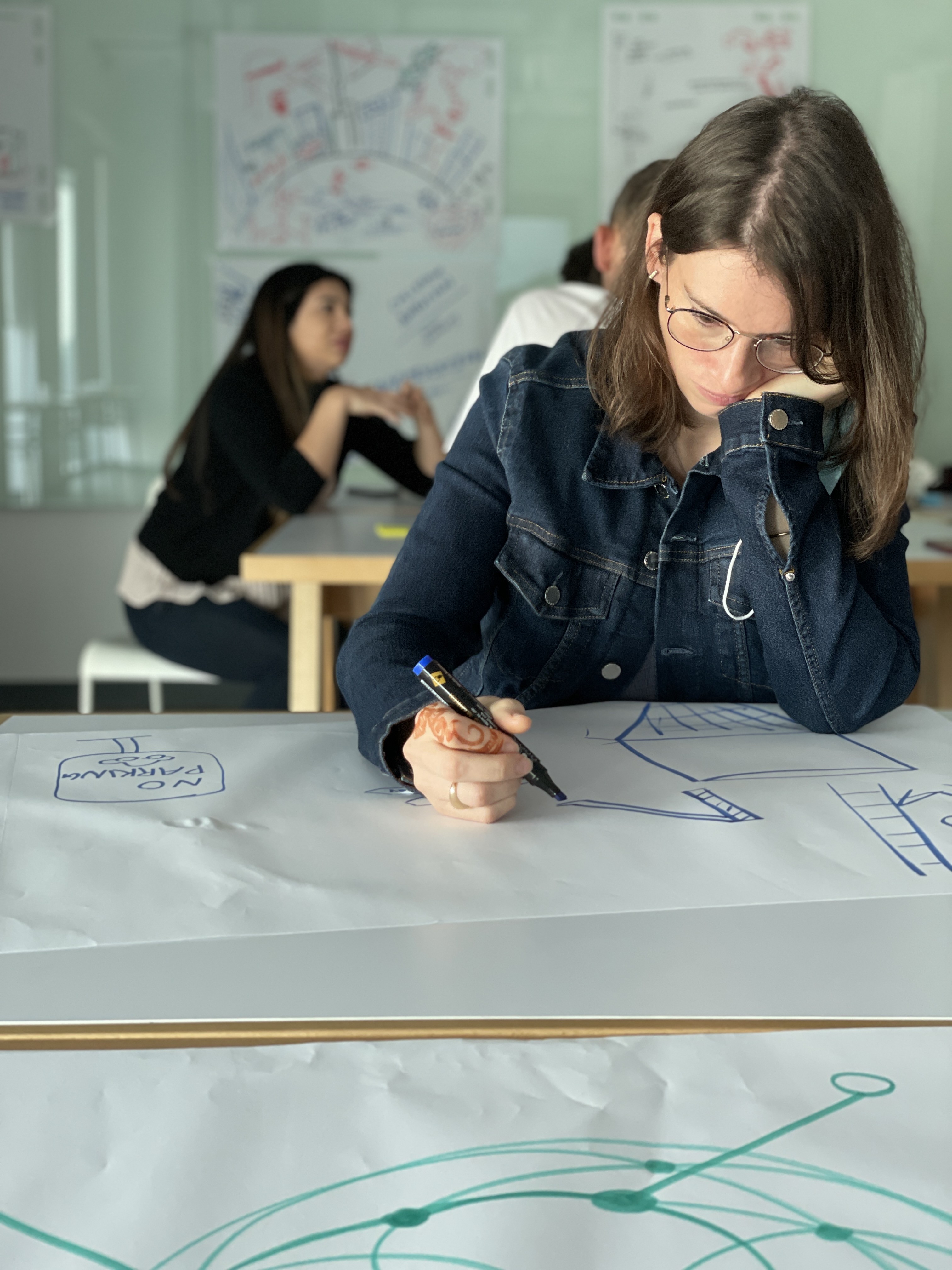
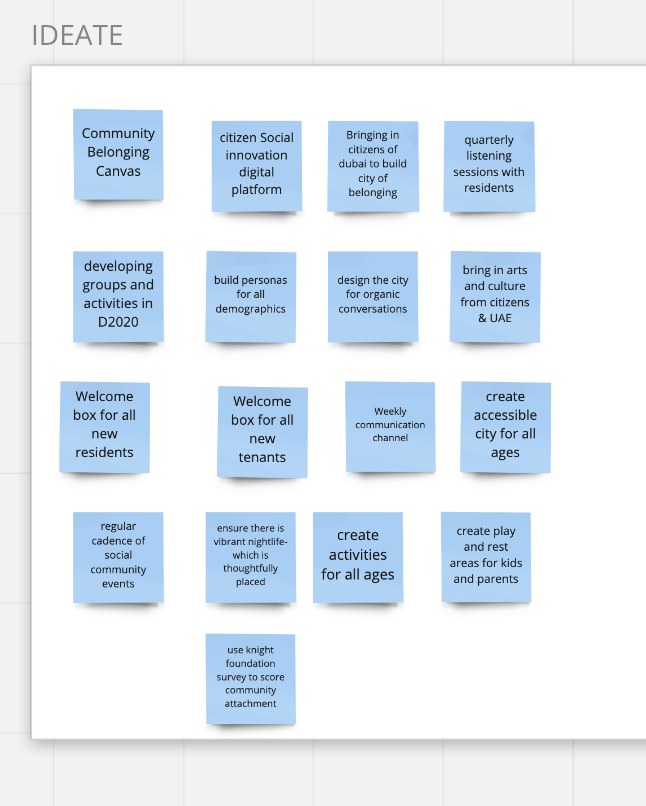
Drawing from research findings, I generated ideas in response to the design question: How might we assemble and make scalable community and belonging on a city scale? Inspiration came from two directions: successful city models — like Amsterdam and Miami — that built belonging through citizen co-creation, intentional design for diversity, and social infrastructure; and existing canvas frameworks such as the Business Model Canvas and the Culture Design Canvas, which demonstrated how structured visual tools can guide complex co-creation.
4. Prototype
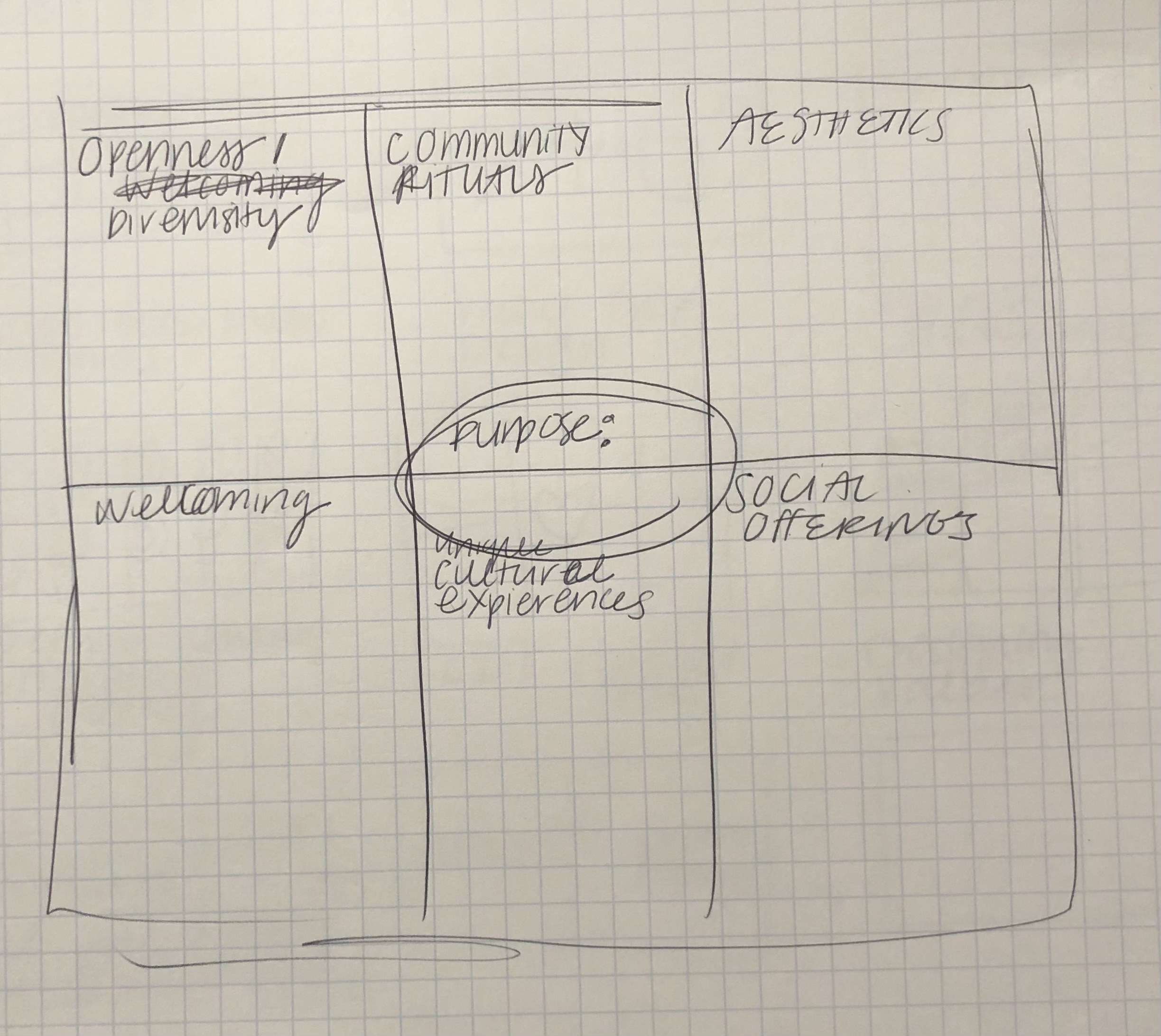
The result was the Community Belonging Canvas — an original design tool for co-creating belonging at city scale. Built around the proven drivers of community attachment, it gives cities, governments, and communities a structured framework to design intentionally for belonging — and is built to be replicated beyond Dubai.
The Work
The Impact
When the solution was presented to the Dubai partner, the Community Belonging Canvas was recognized as a top area of interest — validating both the approach and the framework as something with real application beyond the academic context.
The canvas is designed to be scalable — a replicable tool for any community, city, or organization asking how to intentionally design for belonging.